
5 Benefits of Septic System Maintenance
Septic system maintenance is routine inspection, pumping, cleaning, and repair that keeps a septic tank and drainfield working safely. For homeowners and businesses, scheduled service helps prevent sewage backups, foul odors, groundwater contamination, emergency repairs, and premature system failure while protecting property value and long-term operating costs.
Why Is Septic System Maintenance Important?
A septic system quietly manages wastewater every day. Solids settle in the tank, naturally occurring bacteria break down some waste, and liquid effluent moves into the drainfield. Over time, sludge and scum accumulate. If they are not removed, the system can become overloaded and stop treating wastewater properly.
Routine care gives a qualified technician the opportunity to identify problems before they become disruptive. Maintenance can reveal a damaged baffle, cracked lid, blocked line, saturated drainfield, or unusual wastewater flow. Addressing these concerns early is usually easier and less expensive than responding to a backup inside the property.
For local guidance, homeowners can also review these septic system tips and keep the septic service FAQs available for common questions.
What Are the Main Benefits of Septic Tank Maintenance?
1. It helps prevent backups and overflows
A full tank has less room to receive wastewater. As solids rise, they can move into the outlet pipe and drainfield, causing slow drains, gurgling toilets, sewage odors, or wastewater surfacing in the yard. Regular pumping removes accumulated solids before they interfere with normal flow.
A backup is more than an inconvenience. It can damage flooring, walls, furniture, and personal belongings. It may also expose occupants, employees, customers, and pets to harmful bacteria. Preventive septic system maintenance reduces the likelihood of an emergency and helps keep wastewater where it belongs.
2. It extends system life
A septic system is a significant investment. Replacing a tank or drainfield can be expensive and may require excavation, permits, landscaping work, and temporary changes to how a property handles wastewater.
Maintenance supports a longer service life by reducing stress on the tank and drainfield. A professional can also explain which habits may be affecting performance, such as excessive water use, flushing unsuitable items, or driving heavy equipment over the drainfield.
3. It protects the environment and public health
A properly maintained system treats wastewater underground before it returns to the environment. A neglected system may release untreated sewage or excess nutrients into soil, groundwater, canals, lakes, and nearby waterways.
This risk matters especially in coastal and densely populated areas around Daytona Beach. Preventive service helps limit contamination and supports a cleaner, safer community. It also helps business owners meet sanitation expectations and protect the people who use their properties.
4. It can reduce long-term costs
Emergency pump-outs, after-hours repairs, drainfield replacement, water damage cleanup, and business interruptions can cost substantially more than planned maintenance. Routine service makes expenses more predictable and gives property owners time to plan for repairs.
Maintenance does not guarantee that a septic system will never fail. It does, however, improve the chance that developing issues will be found while solutions remain manageable.
5. It protects property value and confidence
A documented maintenance history shows that a property owner has cared for the wastewater system responsibly. Records can be useful when selling a home, purchasing a property, renewing a lease, or managing a commercial facility.
A well-maintained system also provides peace of mind. Owners are less likely to wonder whether a slow drain signals a larger problem or whether an upcoming gathering could overwhelm the system.
How Often Should a Septic System Be Serviced?
Many residential septic systems should be inspected about every three years and pumped approximately every three to five years. The correct schedule depends on several factors:
- Tank size and system design
- Number of people using the property
- Total wastewater volume
- Amount of solids entering the tank
- Garbage disposal use
- Age and condition of the system
- Local soil, drainage, and weather conditions
A larger household or vacation property with frequent guests may need service more often. Commercial properties, restaurants, and facilities with heavy wastewater demand may require a customized maintenance plan.
The best approach is to ask a licensed or experienced septic professional to recommend a schedule based on actual tank conditions and usage. Never rely only on a calendar estimate if you notice warning signs.
What Does Professional Septic Maintenance Include?
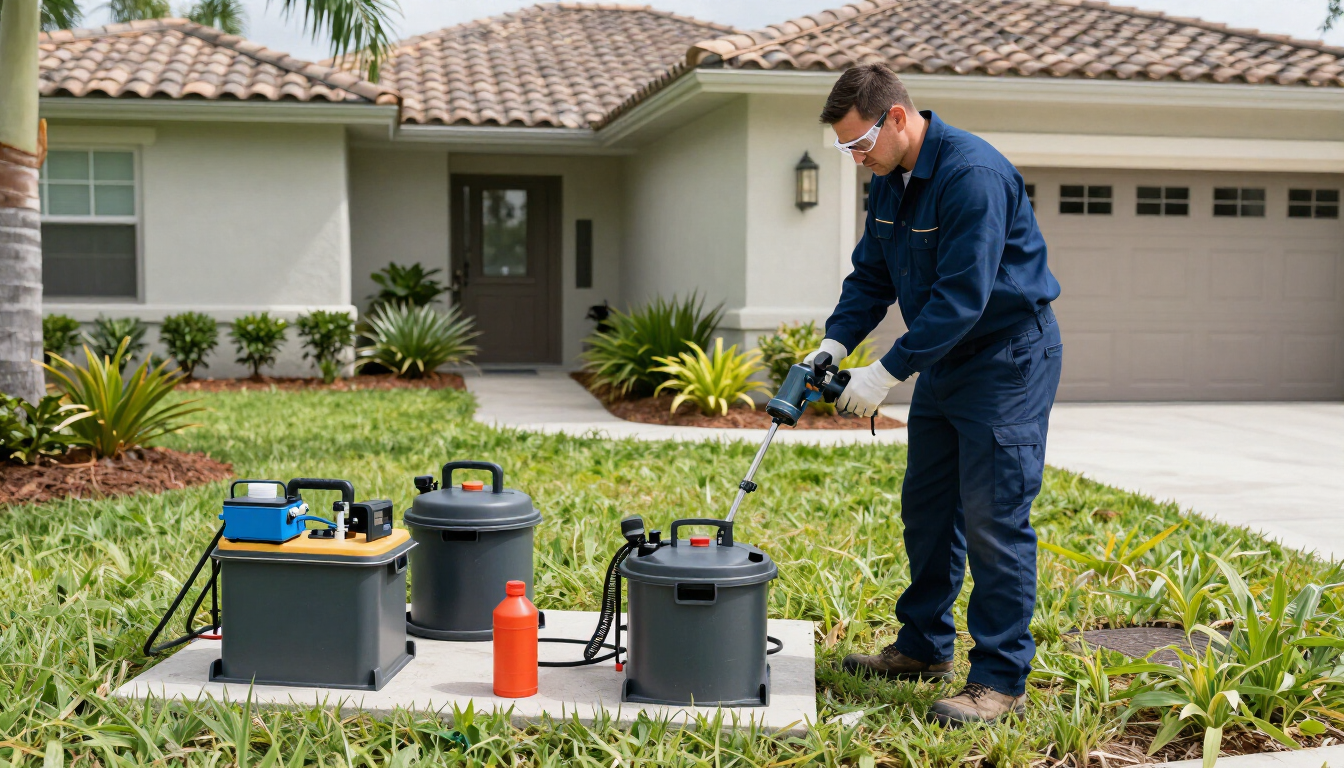
A complete maintenance visit may include inspection, pumping, cleaning, and system evaluation. Depending on the property, the technician may:
- Locate and safely access the tank
- Measure sludge and scum levels
- Pump accumulated solids and liquids
- Inspect tank walls, lids, tees, and baffles
- Check inlet and outlet pipes for blockages
- Look for signs of leakage or excess water
- Evaluate the drainfield area
- Recommend repairs or a future service date
For businesses, maintenance may also involve documenting service, coordinating access, and creating a recurring plan that reduces disruption. Owners with commercial wastewater equipment can explore commercial septic services for broader support.
Which Warning Signs Mean You Need Service?
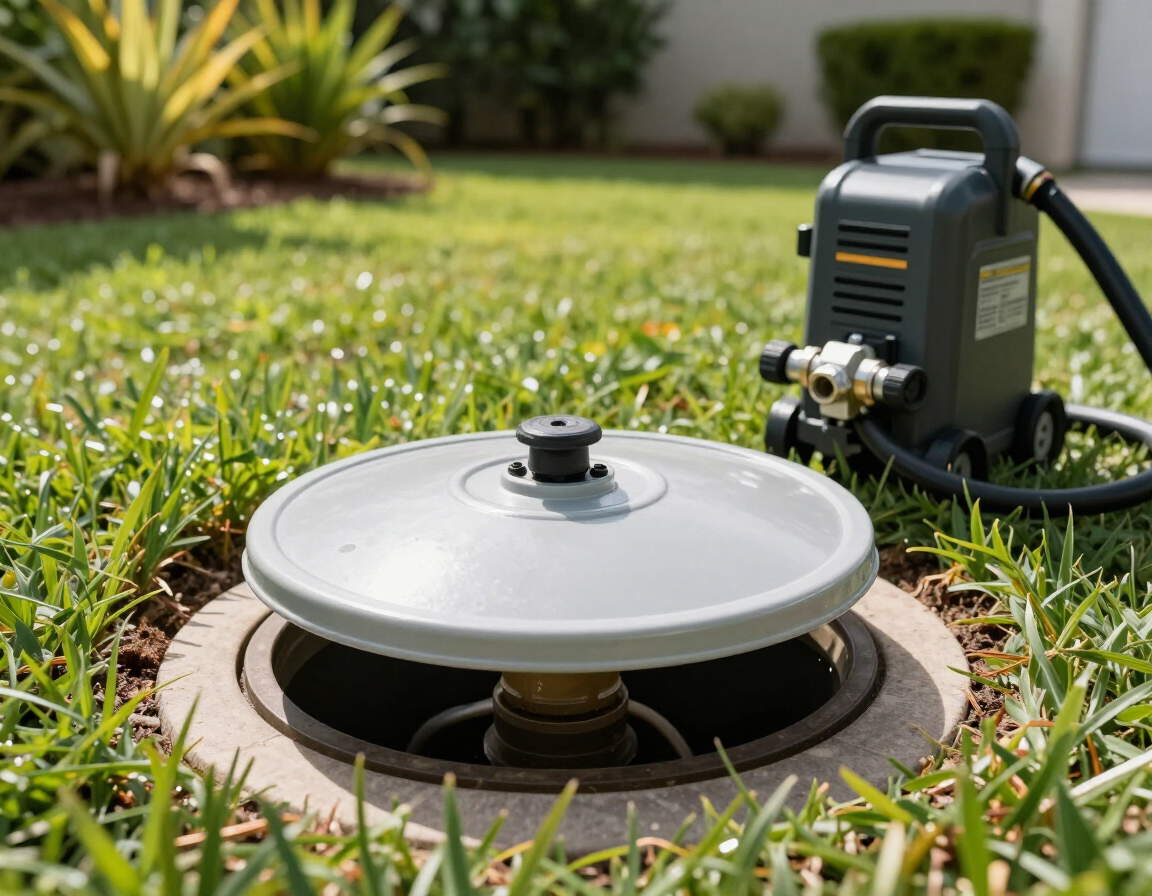
Call for an evaluation if you notice any of the following symptoms:
- Toilets or sinks draining slowly throughout the property
- Gurgling sounds from plumbing fixtures
- Sewage odors indoors or near the tank
- Wet, unusually green, or spongy patches over the drainfield
- Sewage pooling in the yard
- Frequent plumbing backups
- A tank that has not been pumped within the recommended interval
Do not wait for wastewater to surface before scheduling help. Some failures develop gradually, and early action may prevent damage to the drainfield or interior of the building.
How Can Homeowners Support a Healthy Septic System?
Professional maintenance works best when paired with responsible daily habits. Conserve water by repairing leaks, spacing out laundry loads, and choosing efficient fixtures. Use toilets only for human waste and toilet paper; never flush wipes, paper towels, grease, medications, or household chemicals.
Keep vehicles, sheds, pools, and heavy equipment away from the drainfield. Avoid planting deep-rooted trees directly over system components. Keep accurate records of pumping, inspections, repairs, and unusual symptoms so your service provider can identify patterns.
Avoid pouring grease or cooking oil down drains. These materials can harden in pipes and interfere with treatment. If your property includes food service operations, a dedicated grease trap program can help protect plumbing and wastewater equipment.
Residential and Commercial Maintenance Needs
Residential systems usually serve a smaller, more predictable number of users, but household size and water habits still make a major difference. Homeowners in Daytona Beach can learn more about residential septic services when they need pumping, inspection, repair, or ongoing care.
Commercial systems often handle higher flow, changing occupancy, kitchen wastewater, or specialized equipment. A missed service can affect employees, customers, compliance, and business operations. Restaurants, offices, multifamily properties, and other facilities should use a written schedule based on wastewater volume rather than waiting for an emergency.
Properties that rely on lift stations may also need specialized support. See lift station pumping for information about maintaining those systems.
Frequently Asked Questions About Septic System Maintenance
Can I maintain a septic system myself?
Owners can support a system through water conservation and careful disposal habits, but tank inspection and pumping should be performed by trained professionals. Opening or entering a tank can expose people to toxic gases, infectious waste, and serious safety hazards.
Does septic tank maintenance prevent every problem?
No. Maintenance reduces risk but cannot eliminate issues caused by ground movement, tree roots, extreme weather, poor installation, aging components, or unexpected damage. Regular inspections help identify many problems earlier.
Is a septic additive necessary?
Most systems do not need routine additives. Natural bacterial activity generally provides the biological treatment required. Some additives may offer little benefit or may disrupt the balance of the system. Ask a qualified professional before using one.
What should I do during a septic backup?
Stop using sinks, toilets, washing machines, and other water fixtures. Keep people and pets away from sewage, avoid contact with contaminated surfaces, and contact a septic service provider promptly. Do not attempt to open or repair the tank without proper training.
Make Maintenance Part of Your Property Plan
Septic system maintenance is one of the simplest ways to protect a home or business from backups, contamination, costly repairs, and avoidable interruptions. Schedule inspections and pumping according to your system’s size, usage, age, and condition—not just a generic calendar. Watch for slow drains, odors, wet spots, and plumbing changes, and respond before they become emergencies. All Daytona Septic Tank Services, Inc. has served the community as a family-owned company since 1977. When you are ready to arrange an inspection or discuss a maintenance schedule, contact All Daytona Septic .





